Skip to content




The Health Benefits of Wild Alaskan Salmon: Nutrition, Omega-3s & Why Wild Matters

Wild Alaskan salmon has earned its reputation as one of the healthiest foods you can eat. Rich in high-quality protein, omega-3 fatty acids, vitamins, and essential minerals, it provides exceptional nutrition in every serving—all without antibiotics, growth hormones, artificial coloring, or preservatives.
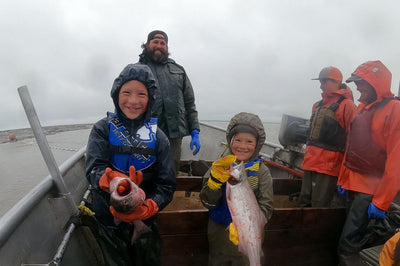
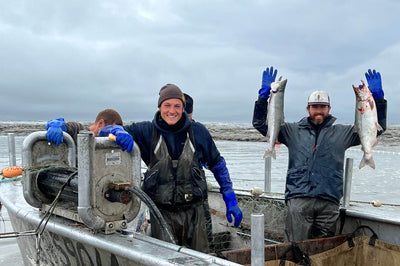
For our family, wild salmon isn't just something we sell—it's what we harvest ourselves each summer in Bristol Bay, Alaska. Since 2009, we've been committed to bringing responsibly harvested wild seafood directly from our fishing boat to families across the country.
Whether you're looking to eat healthier, increase your omega-3 intake, or simply enjoy great-tasting seafood, here's why Wild Alaskan salmon deserves a place on your table.
Why Choose Wild Alaskan Salmon?
Wild salmon offers several advantages over many farmed alternatives.
Our wild-caught salmon contains:
-
Naturally occurring omega-3 fatty acids
-
High-quality complete protein
-
Vitamin D
-
Vitamin B12
-
Selenium
-
Potassium
-
Phosphorus
Unlike many conventionally farmed fish, wild Alaskan salmon is harvested from Alaska's pristine waters without antibiotics, added growth hormones, artificial coloring, or genetically modified feed ingredients.
1. A Rich Source of Heart-Healthy Omega-3 Fatty Acids
Wild salmon is one of the richest natural sources of the marine omega-3 fatty acids EPA and DHA.
These essential fats support:
-
Normal heart function
-
Healthy circulation
-
Brain function
-
Eye health
-
A healthy inflammatory response
Because your body cannot produce sufficient amounts of EPA and DHA on its own, obtaining them through food is an important part of a balanced diet.
Health organizations, including the American Heart Association, recommend eating fatty fish regularly as part of a heart-healthy eating pattern.
2. Excellent Source of High-Quality Protein
Every serving of wild salmon provides complete protein containing all nine essential amino acids.
Protein helps support:
-
Muscle maintenance
-
Bone health
-
Tissue repair
-
Healthy metabolism
-
Feeling full after meals
Unlike many processed protein sources, salmon delivers these benefits alongside healthy fats and important micronutrients.
3. Naturally Rich in Vitamin D
Vitamin D is difficult to obtain from food alone, yet it's important for many aspects of health.
Wild Alaskan salmon is naturally one of the best food sources of vitamin D, which supports:
-
Healthy bones
-
Normal immune function
-
Muscle function
-
Calcium absorption
4. Supports Brain Health
Nearly 60% of the human brain is made up of fat, and DHA is one of its primary structural components.
Eating omega-3-rich fish as part of a healthy diet helps provide the nutrients your brain needs throughout every stage of life.
Wild salmon also contains vitamin B12 and other nutrients that contribute to normal nervous system function.
5. Supports Healthy Vision
DHA is also found in high concentrations within the retina.
Regular consumption of omega-3-rich seafood provides nutrients that help support normal eye function and long-term eye health.
6. Naturally Anti-Inflammatory Nutrients
While inflammation is a normal part of the body's healing process, maintaining a healthy inflammatory balance is important for overall wellness.
Wild salmon contains EPA, DHA, vitamin D, and selenium—nutrients that help support the body's normal inflammatory response.
7. Packed with Essential Vitamins and Minerals
A single serving of Wild Alaskan sockeye salmon delivers an impressive nutritional profile.
Highlights include:
-
Vitamin D
-
Vitamin B12
-
Selenium
-
Niacin (Vitamin B3)
-
Vitamin B6
-
Phosphorus
-
Potassium
-
Choline
-
Complete protein
These nutrients work together to support energy production, immune function, bone health, muscle function, and overall wellness.
Why Wild Salmon Is Different from Farmed Salmon
Not all salmon is created equal.
Wild Alaskan salmon spends its life swimming freely in Alaska's cold, clean waters while feeding on a natural diet.
Many farmed salmon are raised in enclosed pens and may receive formulated feeds that differ significantly from a wild salmon's natural diet.
Alaska's fisheries are among the most carefully managed in the world. Strict sustainability standards help ensure healthy salmon populations for future generations while protecting marine ecosystems.
Freshness Matters
The nutritional value of seafood is only part of the story. How it's handled after harvest matters just as much.
Every salmon we catch is rapidly chilled aboard our fishing boat before being delivered to shore-based Alaska processors, where it's:
-
Filleted
-
Deboned
-
Vacuum sealed
-
Flash frozen
By freezing our salmon at peak freshness, we're able to preserve its flavor, texture, and quality without preservatives.
This careful handling is one of the reasons customers often tell us our salmon tastes fresher than seafood they've purchased elsewhere.
Frequently Asked Questions
Is wild salmon healthier than farmed salmon?
Both provide beneficial nutrients, but wild Alaskan salmon is naturally leaner and comes from sustainably managed fisheries with a natural marine diet.
How often should I eat salmon?
Many health organizations recommend eating fatty fish, such as salmon, at least twice per week as part of a healthy diet.
Is frozen salmon still healthy?
Yes. Flash freezing shortly after harvest helps preserve the salmon's flavor, texture, and nutritional quality.
Does wild salmon contain omega-3 fatty acids?
Absolutely. Wild Alaskan salmon is one of nature's richest sources of the marine omega-3 fatty acids EPA and DHA.
Experience the Difference
For our family, harvesting wild salmon isn't just a business—it's a way of life.
Each summer we head to Bristol Bay, Alaska, where we catch salmon during one of the world's most sustainable commercial fisheries. From there, every fish is carefully processed, vacuum sealed, and flash frozen before making its way directly to your table.
If you're looking for clean, nutritious seafood harvested with care, we invite you to experience the difference that responsibly caught Wild Alaskan salmon can make.
References:
- https://www.pritikin.com/eperspective/0710/benefitsRiskSalmon.shtml
- https://www.alaskaseafood.org/information/
- https://www.livestrong.com/article/41497-grilled-salmon-nutrition-information/
- Fish Oil Omega 3s written by Joyce A. Nettleton, DSc, RD, ScienceVoice Consulting, Denver, CO
- The Immune System written by Joyce A. Nettleton, DSc, ScienceVoice Consulting, Denver, C