Skip to content




Wild Alaskan Halibut: From Kodiak Fishermen to Your Table

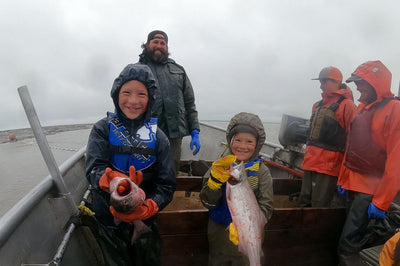
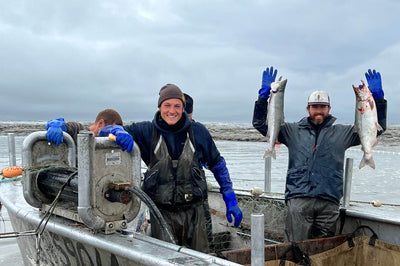
At Kwee-Jack Fish Co., we're commercial fishermen ourselves. Our family personally harvests wild sockeye salmon in Bristol Bay, Alaska, but we don't pretend to catch every species of seafood we sell.
For our wild Alaskan halibut, we work with fishermen in Kodiak, Alaska, to source high-quality Pacific halibut that is line caught and processed in Alaska.
That distinction matters to us. When we source seafood that doesn't come from our own boats, we look at many of the same things we care about in our own fishery: where the fish comes from, how it is caught, how it is handled, and the quality that ultimately reaches our customers.
Where Does Kwee-Jack's Wild Alaskan Halibut Come From?
Our wild Pacific halibut comes from Kodiak, Alaska, an island community with a long history of commercial fishing and some of Alaska's most productive surrounding waters.
We source our halibut from Alaska fishermen, and the fish is professionally processed in Alaska before making its way to Kwee-Jack and our customers.
For us, maintaining that connection to the fishermen and the place where the fish was harvested is important. Seafood supply chains can become surprisingly complicated, and we believe customers should be able to understand where their seafood comes from.
Is Our Alaskan Halibut Line Caught?
Yes. The wild Alaskan halibut we source is line caught rather than harvested by bottom trawling.
Alaska's directed commercial Pacific halibut fishery primarily uses longline fishing gear. Baited hooks are attached along a fishing line and set to target halibut. This allows fishermen to harvest halibut using individual hooks rather than dragging a large net across the ocean floor.
As fishermen ourselves, fishing method matters to us. We specifically seek out line-caught halibut because we value responsible harvest methods, careful handling, and high-quality wild seafood.
Why Do We Choose Line-Caught Halibut?
How seafood is harvested is part of its story. We don't believe the only thing that matters is the species name printed on the package.
Line fishing allows halibut fishermen to target individual fish and handle their catch with care. It also avoids the use of bottom-trawl nets in the directed halibut fishery.
Those are meaningful considerations for us when deciding what seafood we're comfortable putting the Kwee-Jack name on and offering to our customers.
Is Our Wild Alaskan Halibut Sustainably Harvested?
Pacific halibut is part of a carefully monitored North Pacific fishery. Scientists and fishery managers use stock assessments, harvest limits, monitoring, and other management tools to regulate the commercial harvest and respond as the halibut population changes over time.
We believe this kind of science-based management is important for maintaining wild fisheries for future generations.
If you'd like to learn more about Pacific halibut, its biology, Alaska's fishery, sustainability, and how the resource is managed, visit our Ultimate Guide to Wild Pacific Halibut.
Is Wild Alaskan Halibut Healthy?
Wild Pacific halibut is a lean, protein-rich seafood that naturally provides nutrients including selenium, vitamin B12, vitamin B6, phosphorus, and omega-3 fatty acids.
Halibut is considerably leaner than naturally oily fish such as salmon or black cod, making it a popular choice for people looking for a mild white fish with plenty of protein.
For more detailed information about halibut nutrition, health benefits, cooking, storage, and preparation, see our complete Wild Pacific Halibut Guide.
What About Halibut for People Concerned About Histamine?
We hear regularly from customers who are sensitive to histamine and tell us they have had good experiences with our frozen seafood, including our wild Alaskan halibut.
For these customers, careful seafood handling and maintaining the cold chain are especially important. Our halibut is professionally processed, frozen, and kept frozen through storage and shipment rather than being sold as previously thawed fish that may have spent additional time refrigerated in a seafood case.
We do not test each portion for histamine and cannot guarantee that any seafood will be suitable for an individual with histamine intolerance or other medical conditions. However, we take seafood handling, frozen storage, and maintaining the cold chain seriously.
If histamine is an important consideration for you, read our guide to low-histamine seafood for a more detailed discussion of seafood handling, freezing, storage, and histamine.
Why Does Kwee-Jack Source Halibut From Other Fishermen?
Different Alaska fisheries require different boats, permits, gear, locations, and expertise. Our family's fishing operation is centered around the wild sockeye salmon fishery in Bristol Bay, so we don't personally harvest the Pacific halibut we sell.
Instead, we use our experience as commercial fishermen to help us select seafood from other fishermen and seafood partners we trust.
We think being transparent about that distinction is important: we personally harvest our Bristol Bay salmon, while our wild Alaskan halibut is sourced from fishermen in Kodiak, Alaska.
Being fishermen gives us a perspective on seafood that is difficult to get from behind a retail counter. We understand that quality begins long before a fish reaches a customer's kitchen, and we bring that perspective to the seafood we source as well as the salmon we catch ourselves.
Buy Wild Alaskan Halibut From Kwee-Jack
Want to try the halibut we've chosen for our own customers? You can buy wild Alaskan halibut online from Kwee-Jack Fish Co. Our boneless, skinless halibut portions are individually vacuum packaged, kept frozen, and available for home delivery throughout the contiguous United States.
Shop Wild Alaskan Halibut for Home Delivery →
You can also browse our complete selection of wild-caught seafood available for home delivery.