Skip to content




How to Buy Wild Sockeye Salmon: The Complete Buyer's Guide

How to Buy Wild Sockeye Salmon
When you're shopping for wild sockeye salmon, you'll quickly notice there are dozens of companies claiming to sell the "best" salmon online. Some focus on price. Others advertise sustainability, flash freezing, or wild-caught seafood.
So how do you know you're actually buying premium sockeye salmon?
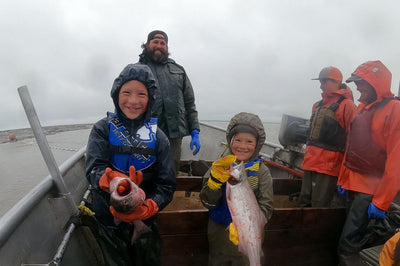
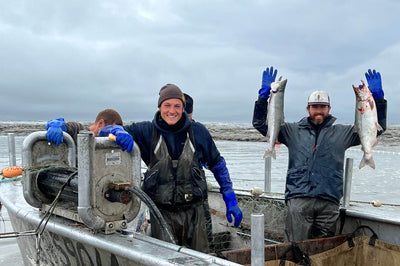
At Kwee-Jack Fish Co., we've spent years harvesting Alaska's salmon fisheries as commercial fishermen. We've seen firsthand what separates exceptional seafood from average seafood. This guide will help you understand what really matters when buying wild sockeye salmon online so you can make an informed decision for your family.
Why Sockeye Salmon Is Different
Not all salmon are created equal.
Sockeye salmon is prized for its deep red color, rich flavor, firm texture, and outstanding versatility in the kitchen. Compared to milder salmon species, sockeye offers a bolder flavor that holds up beautifully whether you're grilling, baking, pan-searing, smoking, or cooking on a cedar plank.
Many customers also appreciate sockeye because it naturally provides high-quality protein and heart-healthy omega-3 fatty acids while remaining lean and incredibly satisfying.
If you're looking for a premium salmon experience, wild sockeye is often considered one of the best choices available.
Wild-Caught vs. Farm-Raised Salmon
One of the first decisions you'll make when shopping for salmon is whether to buy wild-caught or farm-raised.
Wild sockeye salmon spend their lives swimming freely through Alaska's rivers and the North Pacific Ocean, feeding naturally throughout their life cycle.
Farm-raised salmon are raised in aquaculture operations where their environment and diet are controlled.
Many customers specifically seek out wild-caught salmon because they value:
-
Natural diet
-
Firm texture
-
Rich flavor
-
Deep natural color
-
Sustainably managed fisheries
-
Traceable sourcing
Whenever you're shopping, verify that the product clearly states it is wild-caught sockeye salmon and identifies where it was harvested.
Fresh vs. Frozen: The Biggest Misconception
One of the biggest myths in the seafood industry is that "fresh" automatically means higher quality.
In reality, much of the seafood sold throughout the Lower 48 has already been frozen at some point during transportation—even if it's displayed as fresh at the seafood counter.
Premium sockeye salmon is often professionally processed and flash frozen shortly after harvest while it's at peak quality.
Flash freezing helps preserve:
-
Flavor
-
Texture
-
Moisture
-
Appearance
-
Nutritional value
In many situations, properly flash-frozen salmon can actually provide a better eating experience than seafood that has spent several days traveling before reaching a grocery store.
What to Look for When Buying Wild Sockeye Salmon
1. Wild-Caught
Look specifically for genuine wild-caught sockeye salmon.
The words "wild-caught" should be clearly stated on the product page.
2. Vacuum-Sealed Packaging
Vacuum sealing helps protect against freezer burn while allowing you to thaw only what you need.
Proper packaging also extends freezer life and helps preserve quality.
3. Flash Frozen
Look for seafood that has been flash frozen soon after harvest.
This helps preserve the fish at its peak rather than allowing quality to decline during transportation.
4. Buy From People Who Know Seafood
Whenever possible, purchase from companies that have direct experience with commercial fishing or seafood harvesting.
Businesses that understand the harvest, processing, and shipping process often provide more transparency about the seafood they're selling.
5. Sustainable Fisheries
Alaska maintains some of the world's most carefully managed commercial fisheries.
Responsible fishery management helps ensure healthy salmon populations while supporting commercial fishing families and future generations.
Whole Filets vs. Salmon Portions
Many customers ask which option is best.
The answer depends on how you cook.
Whole Sockeye Salmon Filets
Whole filets are excellent for:
-
Families
-
Meal prepping
-
Entertaining
-
Larger dinners
-
Better value per pound
Portioned Sockeye Salmon Filets
Portioned fillets are ideal for:
-
Individuals
-
Couples
-
Quick weeknight dinners
-
Easy thawing
-
Portion control
Many families actually keep both in the freezer depending on the occasion.
How Much Salmon Should You Buy?
A common question we receive is how much seafood to order.
While every household is different, here's a general guideline:
7–10 pounds
A great starting point for individuals or couples.
15 pounds
One of the most popular options for families.
20+ pounds
Ideal for families who regularly enjoy seafood and want to maximize shipping value while keeping the freezer stocked.
Ordering larger quantities often lowers the effective shipping cost per pound because insulated packaging and overnight shipping costs are spread across more seafood.
How to Store Wild Sockeye Salmon
For the best eating experience:
-
Keep salmon frozen until ready to use.
-
Remove the salmon from its vacuum-sealed packaging before thawing.
-
Place the fish on a plate or in a shallow dish and cover it loosely with plastic wrap or transfer it to a resealable bag.
-
Thaw slowly in the refrigerator overnight.
-
Cook within one to two days after thawing.
-
Avoid repeated thawing and refreezing.
Following these simple steps helps preserve the quality of your seafood.
Frequently Asked Questions
Is frozen sockeye salmon as good as fresh?
Properly flash-frozen sockeye salmon is often superior to seafood that has spent several days in transportation before reaching a retail seafood counter.
Is wild Alaskan sockeye healthier than Atlantic salmon?
Both provide excellent nutrition, but sockeye is naturally leaner while still providing beneficial omega-3 fatty acids and high-quality protein.
Can I grill sockeye salmon?
Absolutely.
Its firm texture makes sockeye one of the best salmon species for grilling.
Does wild sockeye salmon contain bones?
Most premium sockeye salmon has pin bones removed during processing, although an occasional pin bone may still be present.
How long will frozen salmon last?
When stored properly in its original vacuum-sealed packaging, frozen sockeye salmon maintains excellent quality for many months.
Why Buy Direct From Kwee-Jack Fish Co.?
At Kwee-Jack Fish Co., seafood isn't simply another product on a shelf.
It's our livelihood.
As commercial fishermen, we've spent years harvesting Alaska's fisheries and understand every step of the journey—from the ocean to your dinner table.
Our wild sockeye salmon is professionally processed, vacuum sealed, flash frozen once at peak quality, and shipped directly from our Montana warehouse to homes throughout the Lower 48.
Whether you're ordering a few salmon portions for healthy weeknight dinners or stocking your freezer with whole filets for the season, our mission is simple:
Deliver premium wild-caught seafood we're proud to feed our own families.
Ready to Experience Premium Wild Sockeye Salmon?
If you're looking for rich flavor, exceptional quality, and the convenience of having premium seafood delivered directly to your home, wild sockeye salmon is one of the best investments you can make for your freezer.
Browse our selection of Wild Sockeye Salmon Portions, Wild Whole Sockeye Filets, and our complete collection of premium wild-caught seafood to discover why thousands of families trust Kwee-Jack Fish Co. for seafood delivered straight to their door.