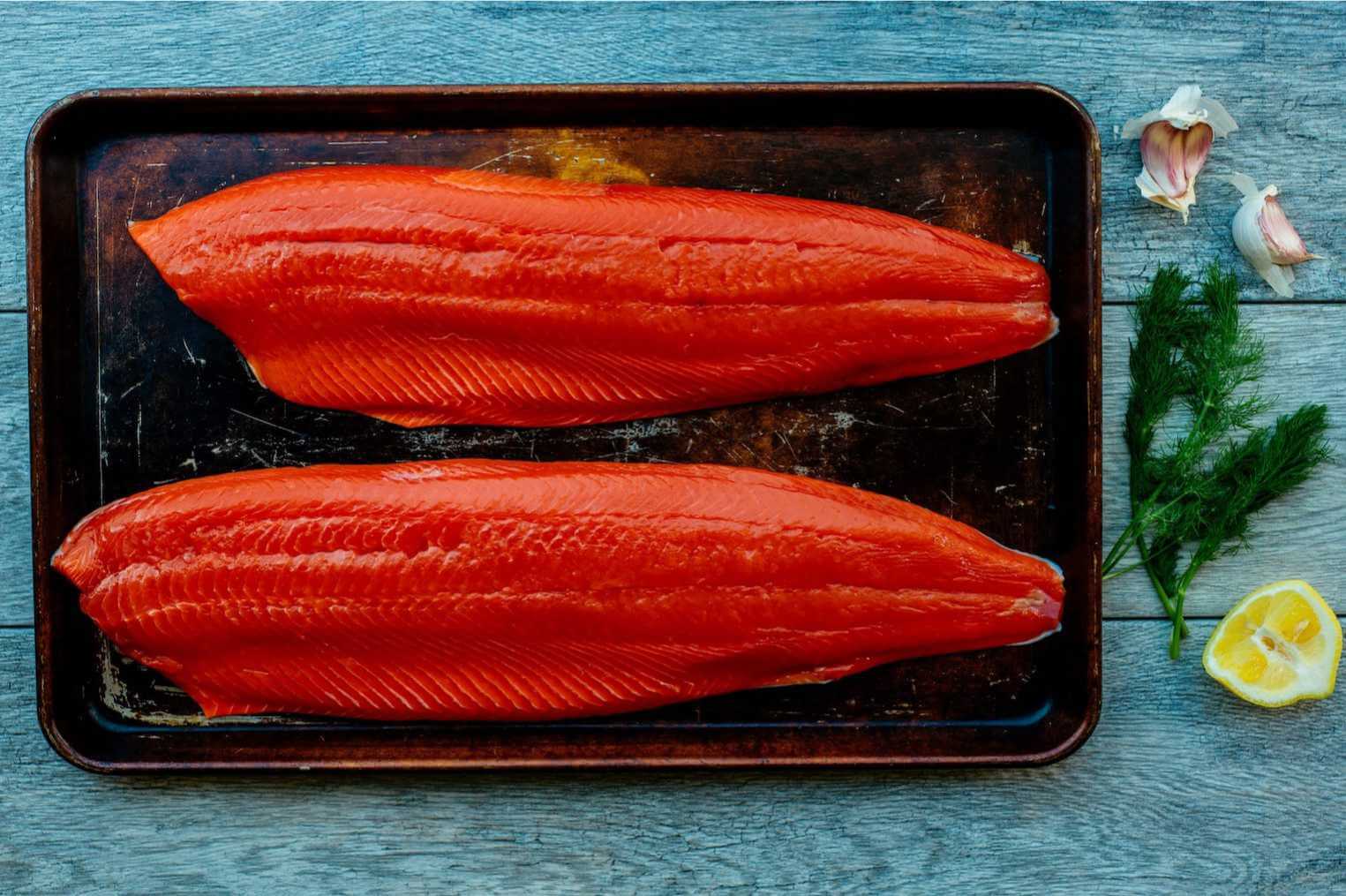
Wild Caught Alaskan Sockeye Salmon filets unprepared on a baking sheet with a deep red color since they are raw.
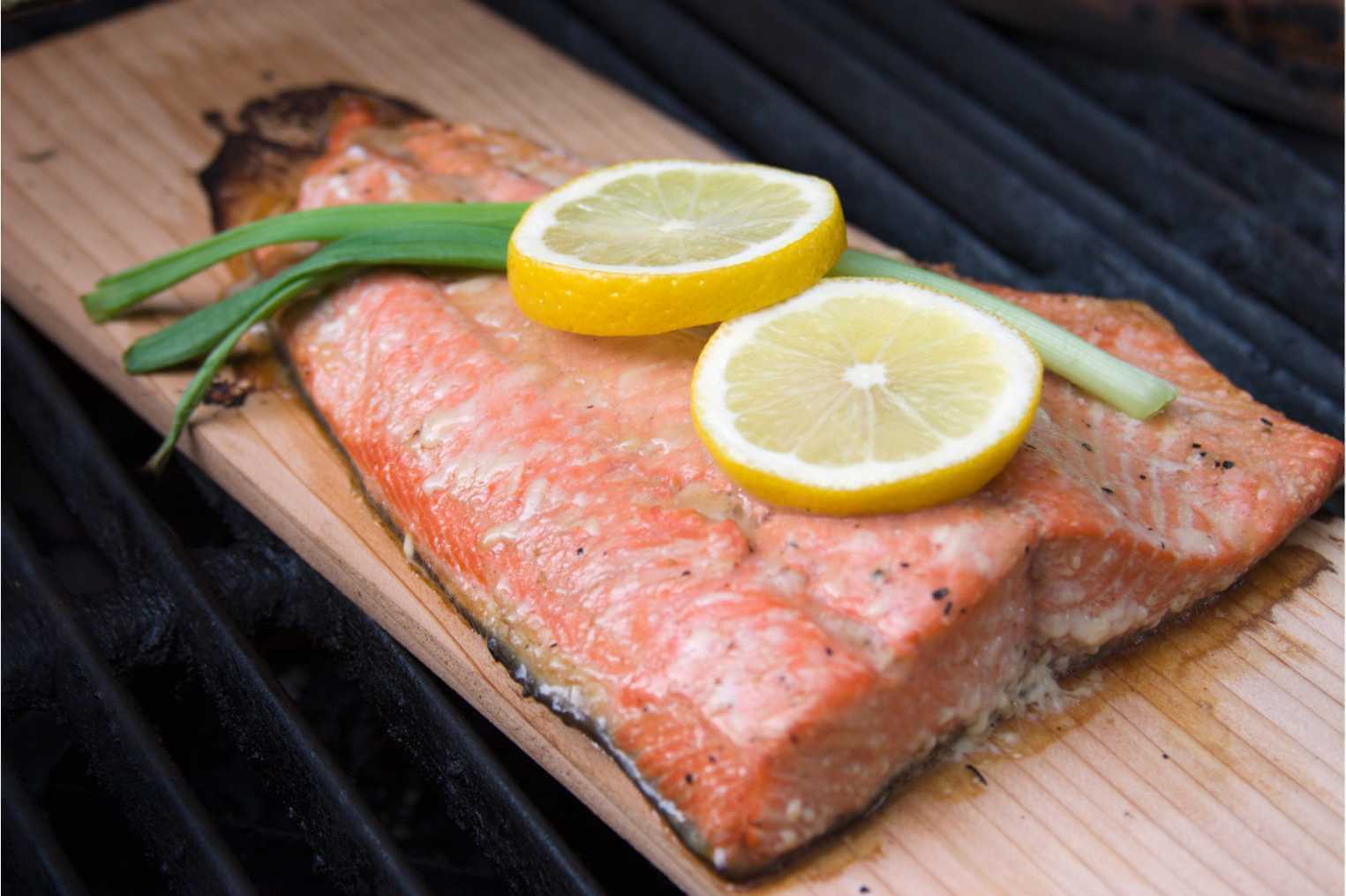
Cooked wild caught salmon filet on a cedar plank with sliced lemon and green onion.
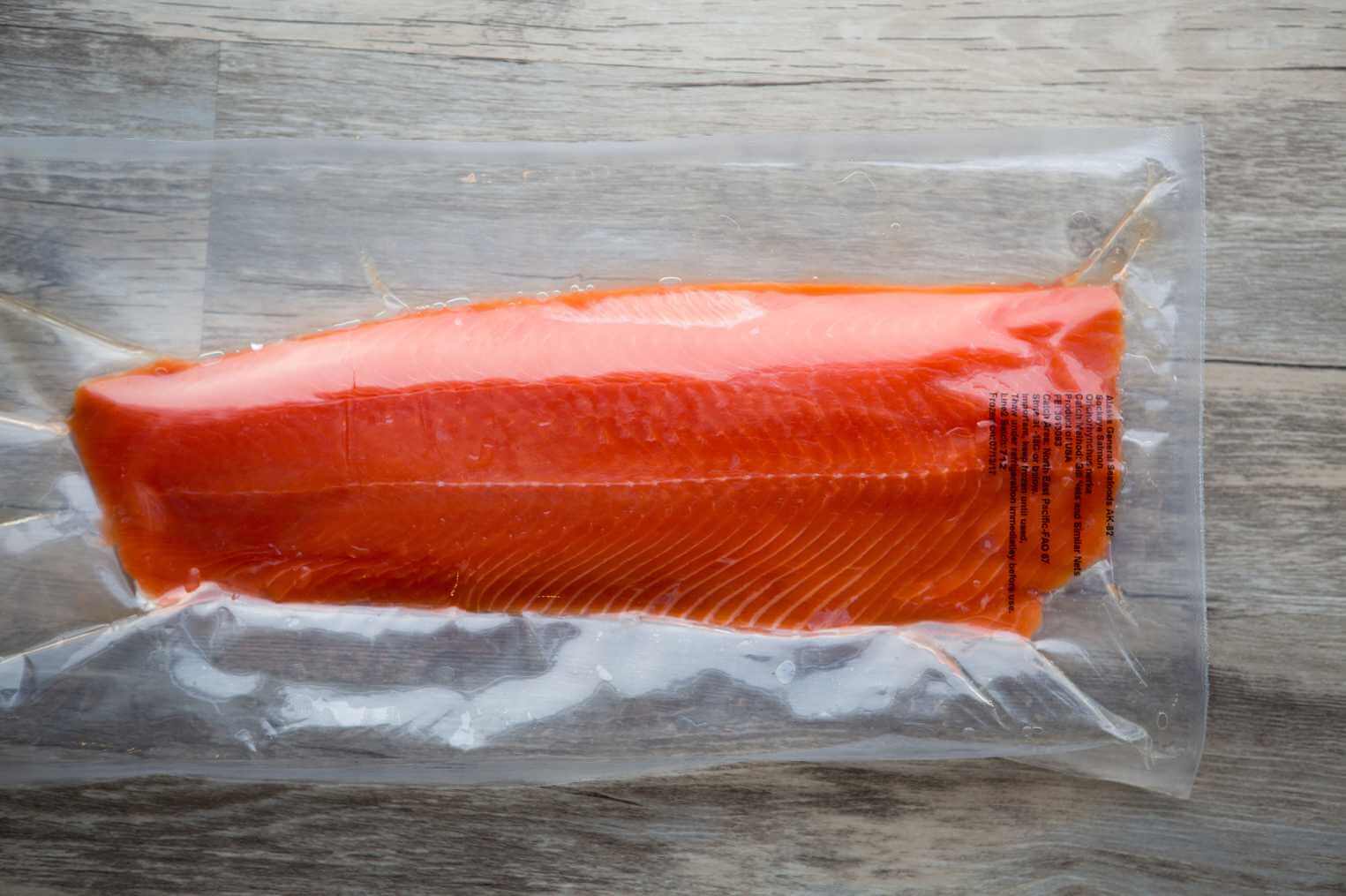
Kwee-Jack Fish Co. vacuum sealed wild caught Alaskan sockeye salmon filet.
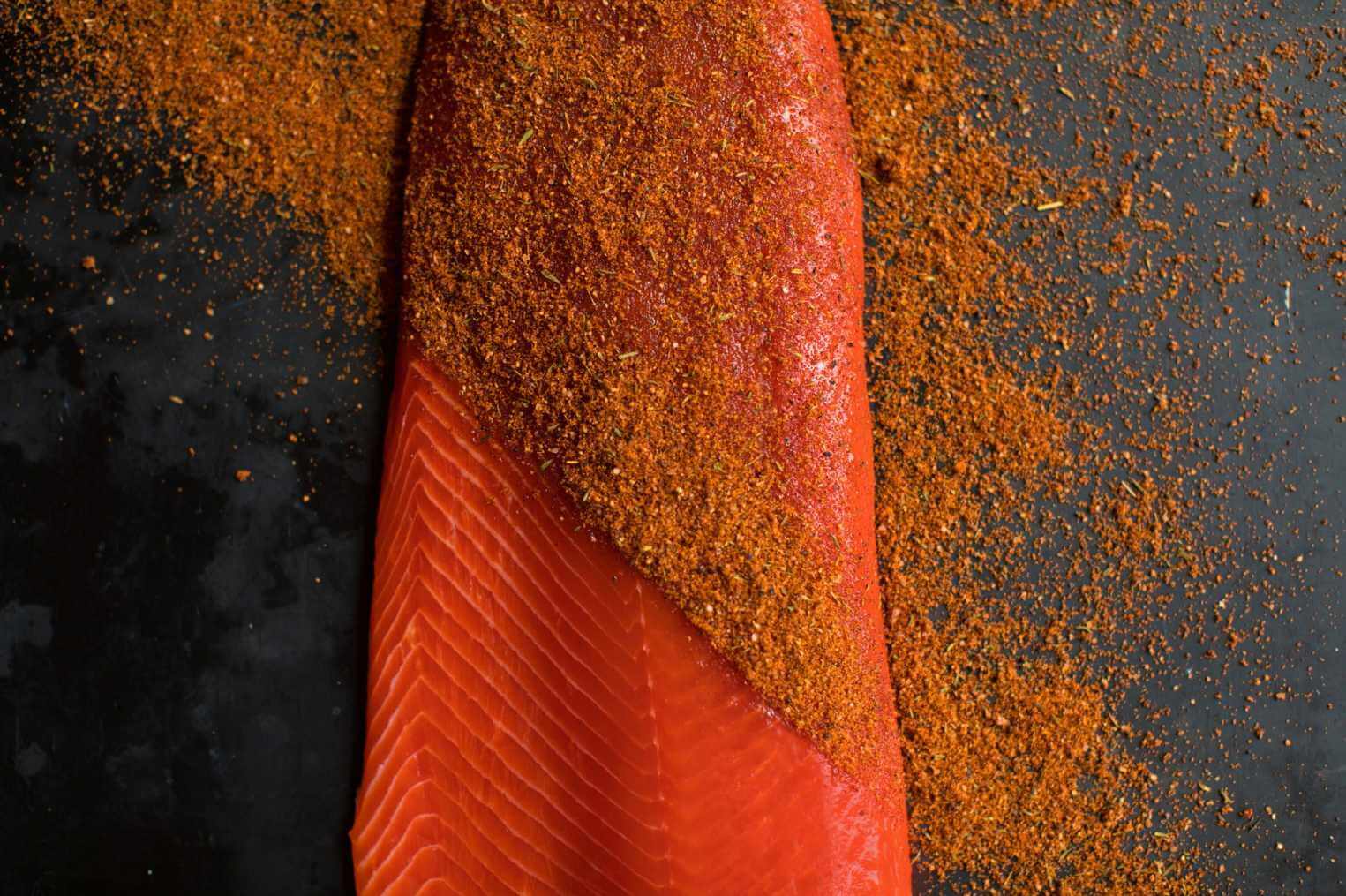
Wild caught Alaskan salmon filet with seasoning sprinkled on top of the filet, raw and ready to cook.
Wild Alaskan Sockeye Salmon Whole Filets Box

Wild Alaskan Sockeye Salmon Whole Filets Box


Regular price$ 350.99
/
  • Wild Caught Alaskan Sockeye Salmon
  • Boneless, Flash Frozen, Sushi-Grade, and Vacuum-Sealed
  • Low-Histamine Seafood, No artificial colors, No preservatives, Gluten-free, No artificial flavors, Dairy-free, and Soy-free
  • BEST BY: 07/2028

Your order is shipped out the following Monday (excluding holidays). Orders arrive in Montana on Tues or Weds, all other states arrive Weds - Fri. 

Click here to view planned holiday & warehouse closures.

Your order arrives via UPS, packaged in an insulated shipping container with dry ice to guarantee it remains frozen. We do not require a signature, so no need to be present at time of delivery. Tracking codes are emailed out when your order ships.

Seafood Shipping Costs to all 48 Contiguous States:

  • FREE on orders $299+
  • $39.95 on orders $199–$298.99

Minimum Order Allowed: $199

Our $199 seafood minimum helps ensure your order stays frozen during shipping. 

Add a variety of seafood options to fill your box and get the best shipping rates on premium wild seafood!

Be sure to use the recipient’s address when providing shipping information. Please note that order and delivery confirmation emails will be sent to the email address used to place the order.

If there is damage or delivery delay due to carrier handling that causes spoilage, we require pictures be emailed to hello@eatwildsalmon.com, and/or texted to (406) 272-2466. Any additional evidence or details that can be provided are appreciated as this assists us when dealing with our shipping providers. When tracking information confirms that our shipper has delivered your order past the expected date of arrival, refunds will be offered for products that experience spoilage and/or damage upon picture evidence being provided as mentioned above.

If you prefer to have your product re-shipped, there is a $60 re-ship fee to help cover dry ice, insulated packaging and shipping fees. Perishable goods such as seafood are not allowed any insurance or carrier coverage, so please note that even though the carrier may have been at fault with the delay/damage, we have taken on the full cost of the original shipment and product, hence the re-shipment fee.

Due to health and safety laws, seafood & supplements are unable to be returned to our inventory once they leave our possession.  Our ability to offer a refund may be limited due to the nature of your reason for requesting a refund/exchange/return.

Read our full return policy HERE.

Premium Wild Caught

Premium wild-caught Alaskan sockeye salmon, expertly hand-trimmed, boneless, vacuum sealed, and flash frozen once at peak freshness.

Sustainable Fishery

Our family-owned and operated fishing boats harvest our wild-caught salmon from Bristol Bay, Alaska—the world’s largest sustainably managed wild sockeye salmon fishery.

Free Shipping on $299+ Orders

Our wild caught salmon ships free  throughout the 48 contiguous United States on orders of $299 & above.  Mix-n-match from all of our wild caught seafood to get to build your order value.

Wild-Caught by Our Family in Bristol Bay, Alaska

Every summer, our family-owned commercial fishing boats harvest wild sockeye salmon from Bristol Bay, Alaska—the world’s largest sustainably managed wild sockeye salmon fishery. Each fish is professionally processed, pin bones removed, vacuum sealed, and flash frozen once at peak freshness before being shipped directly to your door.

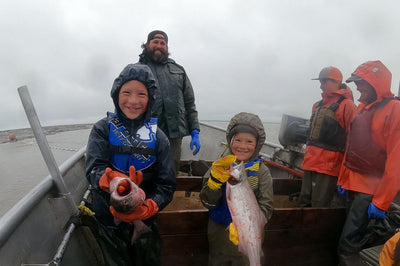
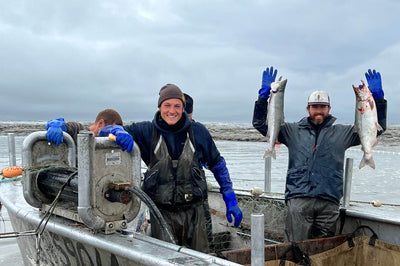
Kwee-Jack Commercial fishermen in Alaska setnet fishing for salmon and holding up fish

Premium Wild Alaskan Sockeye Salmon Whole Filets

  • 100% wild-caught sockeye salmon harvested in Bristol Bay, Alaska
  • Sushi-grade quality and professionally processed
  • Pin bones removed for easy preparation
  • Skin-on whole filets for excellent flavor and versatile cooking
  • Individually vacuum sealed to help protect freshness and quality
  • Flash frozen once shortly after harvest to preserve peak flavor and texture
  • Rich, full sockeye flavor with firm texture and naturally deep red color
  • Each whole filet weighs approximately 1–2 lbs*
  • 10 lbs contains approximately 6–8 whole filets*
  • Our 22 lb box offers the best value and is ideal for families, regular seafood meals, entertaining, or sharing with friends

*Because this is a wild product, natural variation in filet size and weight is expected.

Home Delivery: This product ships via UPS to customers throughout the contiguous United States.


Storage & Preparation

  • Keep frozen until ready to use.
  • Remove salmon from the vacuum packaging before thawing.
  • Thaw slowly under refrigeration for best quality.
  • Whole sockeye filets are excellent for baking, grilling, smoking, roasting, or cutting into individual portions at home.

Learn more in our Seafood Storage, Thawing & Preparation Guide .


Choosing the Right Wild Salmon

Not sure whether whole filets or individually portioned salmon are right for you? Our Wild Sockeye Salmon Buyer's Guide explains what to look for when buying wild salmon, how much to order, and the differences between whole filets and portions.

For a deeper look at salmon species, flavor, sustainability, cooking methods, storage, and more, visit our Complete Wild Salmon Buyer's & Cooking Guide .


Questions? Contact Us

Email: shipping@eatwildsalmon.com

You can also visit our Frequently Asked Questions for answers about seafood quality, storage, thawing, shipping, and more.

Sockeye Salmon Common Questions:

(click the topic to see more info)

What exactly is included in a whole filet box?

Each box contains individually vacuum-sealed whole wild Alaskan sockeye salmon filets with the skin left on and pin bones removed. Every filet is professionally processed and flash frozen once at peak freshness to preserve its exceptional flavor and texture.

Because our salmon is wild-caught, every fish is naturally unique. While individual filet sizes vary, your order will always contain the total weight you selected.

How much does each whole filet weigh?

Each whole sockeye salmon filet typically weighs approximately 1–2 pounds.

As a general guide:

  • 10 lb box: Approximately 6–8 whole filets
  • 22 lb box: Approximately 13–16 whole filets

Because these are wild fish, natural variation in size is expected.

Are the filets boneless?

Yes. Our whole sockeye salmon filets have had the pin bones professionally removed, making them easy to prepare at home.

Like any naturally harvested fish, an occasional small pin bone may remain, but the vast majority are removed during processing.

Is the skin left on?

Yes. Our whole sockeye salmon filets are sold skin-on.

Cooking salmon with the skin on helps hold the filet together, retain moisture, and makes grilling or baking easier. The skin can be easily removed after cooking if you prefer not to eat it.

Is your salmon wild-caught or farm-raised?

Our sockeye salmon is 100% wild-caught in Bristol Bay, Alaska and is never farm-raised.

Every summer, our family-owned commercial fishing boats harvest wild sockeye salmon from the world’s largest sustainably managed wild sockeye salmon fishery. Each fish is professionally processed, vacuum sealed, and flash frozen once before being shipped directly to your door.

How is your wild Alaskan sockeye salmon caught?

We catch our wild sockeye salmon ourselves each summer in Bristol Bay, Alaska, near the mouth of the Kvichak River. We use set nets, a traditional commercial fishing method in which nets are anchored from shore in designated fishing areas.

We fish from small skiffs and hand-pick the sockeye from our nets. Because we're the fishermen as well as the company selling the salmon, we know exactly where our sockeye comes from and how it was harvested.

Is your salmon sushi-grade?

Yes. Our wild Alaskan sockeye salmon is professionally processed, individually vacuum sealed, and flash frozen shortly after harvest using procedures that meet sushi-grade handling standards.

Many customers enjoy preparing poke bowls, sushi, sashimi, and ceviche with our salmon. As with any seafood intended to be consumed raw, proper handling and food safety practices after delivery remain important.

How soon after being caught is your wild sockeye salmon frozen?

We prioritize keeping our salmon cold and properly handled from the time it leaves our nets until it is frozen. After harvest, the salmon is held in refrigerated seawater (RSW) and transported by refrigerated tender to a shore-based processor in Bristol Bay, where it is professionally processed and flash frozen.

The exact amount of time from harvest to freezing can vary with fishing conditions, tides, tender schedules and processing operations, so we don't quote a specific number of hours. We do begin the chill process immediately after catch and maintain that until processing.  Our goal throughout the process is to preserve the freshness and quality of the salmon we worked so hard to catch.

Has your salmon been previously frozen?

Yes—and intentionally so.

Our salmon is professionally flash frozen once shortly after harvest while at peak freshness. Flash freezing locks in the salmon’s natural flavor, texture, and quality so you can enjoy premium wild-caught seafood year-round.

Unlike seafood that may spend several days in transit before reaching a grocery store, our salmon is preserved at its freshest point and remains frozen until you’re ready to thaw and enjoy it.

Does your wild sockeye salmon contain additives, preservatives or artificial coloring?

No. Our plain wild Alaskan sockeye salmon is simply 100% wild sockeye salmon. There are no artificial colors, preservatives or artificial flavors added.

Sockeye salmon naturally gets its rich red-orange color from its wild diet, including the carotenoid astaxanthin found in the marine foods it eats. The vibrant color of our sockeye is naturally occurring—not added.

Why does wild sockeye salmon look and taste different from grocery store salmon?

Wild Alaskan sockeye salmon is naturally leaner than most farm-raised salmon, giving it a firmer texture, rich flavor, and deep red color.

Its vibrant color comes naturally from a diet rich in krill and shrimp—not from artificial colorants. Because every fish is wild-caught, slight differences in color, size, and fat content are completely natural and are part of what makes wild salmon unique.

What does wild sockeye salmon taste like?

Wild Alaskan sockeye salmon is known for its rich, full flavor, firm texture, and naturally deep red color. Compared to farm-raised Atlantic salmon, sockeye is leaner, more flavorful, and has a meatier texture that many seafood lovers prefer.

Its distinctive taste comes from a natural diet of krill and shrimp in the pristine waters of Alaska.

What’s the best way to cook a whole sockeye salmon filet?

Whole sockeye salmon filets are incredibly versatile and can be:

  • Baked
  • Grilled
  • Smoked
  • Pan seared
  • Air fried

Because sockeye is naturally leaner than farm-raised salmon, it’s best not to overcook it. We recommend cooking just until the fish flakes easily with a fork.

What internal temperature should salmon reach?

For the best flavor and texture, we recommend removing your salmon from the heat when the thickest portion reaches an internal temperature of 120–125°F. The temperature will continue to rise a few degrees while the salmon rests.

If you prefer your salmon more fully cooked, the USDA recommends an internal temperature of 145°F.

Can I cut a whole filet into individual portions?

Absolutely.

Many customers purchase whole filets because they offer excellent value and flexibility. Before or after thawing, you can portion a whole filet into individual servings that fit your family’s needs.

Whole filets are also perfect for entertaining, meal preparation, or preparing larger family dinners.

Can I grill or smoke these whole filets?

Yes. Whole sockeye filets are excellent for both grilling and smoking.

When grilling, we recommend cooking with the skin side down to help hold the filet together and retain moisture. Whole filets also work exceptionally well for hot smoking, cold smoking (using proper food safety practices), cedar plank cooking, roasting, or baking.

Do I need to remove the skin before cooking?

No. In fact, we recommend leaving the skin on while cooking.

The skin helps protect the delicate meat from direct heat, retains moisture, and makes the filet easier to handle on the grill or in the oven. Once cooked, the skin easily separates from the meat if you choose not to eat it.

Is sockeye salmon good for meal prep?

Yes. Whole sockeye filets are an excellent choice for meal prep.

Many customers cook an entire filet and enjoy it throughout the week in salads, grain bowls, sandwiches, pasta dishes, tacos, omelets, or as a simple high-protein meal alongside vegetables and rice.

Properly refrigerated after cooking, salmon can typically be enjoyed for several days.

Where can I find recipes and cooking tips?

We’ve created a growing collection of recipes, cooking tips, and seafood guides to help you get the most from your wild Alaskan seafood.

Visit our Wild Seafood Blog for salmon recipes, cooking techniques, thawing instructions, and tips for preparing wild-caught seafood at home.

Why is wild sockeye salmon firmer than farm-raised salmon?

Wild sockeye salmon spend their lives swimming thousands of miles in the open waters of Alaska, developing naturally lean muscle and a firmer texture than farm-raised salmon.

Because they contain less fat than Atlantic salmon, wild sockeye filets cook a little differently and are best enjoyed when not overcooked. The result is a rich, clean flavor and a firm yet tender texture that has made wild sockeye a favorite among chefs and seafood lovers.

What’s the best way to thaw frozen salmon?

For the best flavor and texture, thaw your salmon slowly in the refrigerator.

  1. Remove the salmon from its vacuum-sealed packaging.
  2. Place it on a plate or tray to catch any moisture.
  3. Refrigerate overnight or until completely thawed.

Avoid thawing salmon in warm water or leaving it on the countertop, as this can affect both quality and food safety.

Should I thaw salmon in the vacuum-sealed package?

No.

We recommend removing your salmon from its vacuum-sealed packaging before thawing. Thawing fish while it’s still vacuum sealed can create conditions that allow naturally occurring bacteria to grow if the temperature rises above refrigeration levels.

Simply remove the salmon from the package, place it on a plate or tray, cover loosely if desired, and thaw in the refrigerator.

How long will frozen salmon keep in the freezer?

When kept continuously frozen, our vacuum-sealed wild sockeye salmon maintains excellent quality for up to two years.

For the best eating experience, keep the salmon frozen until you’re ready to use it and avoid repeated thawing and refreezing.

How long does salmon last after thawing?

Once thawed, keep your salmon refrigerated and plan to cook it within two days.

For the best quality, consume within 1-2 days after thawing.  Keep it cold and avoid leaving it at room temperature for extended periods.

Can I refreeze my salmon after thawing?

For the best flavor and texture, we recommend not refreezing raw salmon after it has been completely thawed.

If you’ve cooked the salmon, however, leftovers can be frozen again if properly packaged, though some loss of texture may occur after reheating.

How should I store salmon after opening the package?

After removing the salmon from its vacuum-sealed packaging, store it in the refrigerator on a plate or in a covered container until you’re ready to cook it.

If you’re not planning to use it within two days after thawing, it’s best to keep it frozen until you’re ready.

What if my salmon is still partially frozen when it arrives?

That’s completely normal—and exactly what we hope for.

Our salmon is carefully packed with insulation and dry ice to keep it frozen throughout transit. It’s common for the fish to arrive completely frozen or still partially frozen. Simply place it in your freezer until you’re ready to thaw and enjoy it.

Where can I learn more about storing and thawing seafood?

For detailed thawing instructions, seafood storage tips, and best practices for maintaining quality, visit our Seafood Storage, Thawing & Preparation Guide.

How is your wild sockeye salmon shipped?

Our wild Alaskan sockeye salmon is carefully packed in an insulated shipping box with dry ice to help maintain frozen temperatures during transit.

Every order is professionally packed and shipped directly to your door so your seafood arrives ready for your freezer.  We do not use styrofoam.  All of our shipping insulation is recyclable and/or biodegradable. 

Will my salmon stay frozen during shipping?

Yes. Our insulated packaging and dry ice are designed to keep your salmon frozen throughout transit. We carefully measure the amount of dry ice based on your shipment’s expected transit time and the time of year.

Depending on transit time and weather conditions, your salmon may arrive completely frozen or partially frozen. Both are normal. If your salmon arrives cold to the touch and/or still contains ice crystals, place it in your freezer until you’re ready to enjoy it.

Why has most of the dry ice disappeared when my order arrives?

This is completely normal.

Dry ice naturally changes from a solid directly into a gas as it keeps your seafood frozen. In many cases, little or no dry ice remains when your package is delivered, especially during warmer weather or longer shipping routes.

As long as your salmon arrives cold and frozen or partially frozen, it has performed exactly as intended.

When do you ship seafood orders?

We ship seafood orders every Monday to help minimize transit time and reduce the chance of packages sitting in carrier facilities over the weekend.

Orders placed by 7:00 AM Mountain Time on Monday ship that day. Orders placed after the cutoff ship the following Monday.

Holiday schedules and planned warehouse closures may occasionally affect our regular Monday shipping schedule. View our  ⁠Annual Shipping Schedule & Planned Closures for current dates and upcoming shipping interruptions.  

Do I need to be home when my order is delivered?

We recommend bringing your package inside as soon as possible after delivery.

If you won’t be home, consider shipping to a location where someone can receive the package or monitor the tracking information so your seafood can be placed in the freezer promptly.

Can you ship anywhere in the United States?

We ship frozen seafood throughout the contiguous United States using insulated packaging and dry ice.

Interested in shipping to Alaska or Hawaii? Please contact us directly to discuss current shipping options and availability.

How can I track my order?

Once your order ships, you’ll receive an email with tracking information so you can follow your package’s progress and know when to expect delivery.

We recommend monitoring your tracking information and bringing your seafood inside shortly after it arrives.

What if my salmon arrives partially thawed?

Seafood can occasionally arrive partially thawed, particularly during warm weather, longer transit times, or unexpected carrier delays.

If your salmon still contains ice crystals or is cold to the touch when it arrives, place it in the freezer promptly or thaw and enjoy it within the recommended timeframe.

Why do you ship frozen seafood instead of fresh?

Flash freezing shortly after harvest locks in the salmon’s natural flavor, texture, and quality at its freshest point.

Unlike seafood labeled “fresh” that may spend several days traveling before reaching a grocery store, our salmon is professionally flash frozen once shortly after harvest. This allows you to enjoy premium wild-caught Alaskan sockeye salmon whenever you’re ready to thaw and prepare it.

Where is your salmon caught?

Our wild sockeye salmon is harvested in Bristol Bay, Alaska, home to the world’s largest sustainably managed wild sockeye salmon fishery.

Fed by pristine rivers and protected habitats, Bristol Bay produces millions of wild sockeye salmon each year and is widely recognized as one of the premier wild salmon fisheries in the world.

Is your wild Alaskan sockeye salmon sustainably harvested?

Yes. Our wild sockeye salmon is harvested in Bristol Bay, Alaska, home to one of the world’s largest wild sockeye salmon runs. Alaska’s salmon fisheries are carefully managed to protect wild salmon populations and maintain healthy returns for future generations.

We personally harvest our sockeye each summer near the mouth of the Kvichak River using set nets. The Alaska salmon fishery is MSC-certified, although we do not market or label our individual retail packages as MSC-certified.

Why is Bristol Bay salmon considered some of the best?

Bristol Bay’s cold, clean waters and healthy river systems create ideal conditions for wild sockeye salmon.

Unlike farm-raised salmon, Bristol Bay sockeye spend their lives swimming thousands of miles in the open ocean before returning to their native rivers to spawn. This active lifestyle contributes to their firm texture, rich flavor, and naturally deep red color.

Who catches your salmon?

Unlike many online seafood companies, we don’t simply purchase salmon from a distributor—we harvest it ourselves.

Every summer, our family-owned commercial fishing boats fish Bristol Bay’s commercial salmon season, giving us firsthand knowledge of every step from harvest to processing and delivery. It’s a connection to our seafood that few companies can honestly offer.

How is your salmon sustainably harvested?

Alaska’s salmon fisheries are among the most carefully managed in the world.

Fishery managers closely monitor salmon returns throughout the season and adjust harvest opportunities daily to help ensure enough salmon escape upriver to reproduce and sustain healthy future runs. This science-based management has helped make Bristol Bay a model for sustainable wild salmon fisheries.

Why buy seafood directly from the fishermen?

When you buy directly from Kwee-Jack Fish Co., you’re purchasing seafood from the people who harvest it.

That direct connection means we understand every step of the journey—from the moment the salmon is caught to the day it arrives at your door. It’s a level of accountability, traceability, and pride that’s difficult to match through traditional seafood supply chains.

Is your salmon traceable?

Yes.

We know where our salmon is harvested because our own family catches it in Bristol Bay, Alaska. From harvest through professional processing and shipping, we work to maintain the quality and integrity of every order.

Does your salmon contain antibiotics, hormones, or artificial color?

No.

Wild sockeye salmon are never raised in pens, so they are not given antibiotics or growth hormones. Their vibrant deep red color comes naturally from a diet rich in krill and shrimp—not from artificial color additives.

Why is wild-caught salmon more expensive than farm-raised salmon?

Wild-caught salmon requires significantly more work to harvest than farm-raised fish. Every salmon is caught during Alaska’s short commercial fishing season, professionally processed, individually vacuum sealed, flash frozen, and shipped directly to customers.

Many people choose wild-caught sockeye not only for its exceptional flavor and firm texture but also because of the care that goes into harvesting a limited, naturally renewable resource.

What makes Kwee-Jack Fish Co. different?

Kwee-Jack Fish Co. was founded on a simple belief: people should know where their seafood comes from.

Our family has spent decades commercial fishing in Bristol Bay, Alaska. Instead of relying on anonymous supply chains, we harvest our own wild sockeye salmon, have it professionally processed, and ship it directly to families across the country.

From our fishing boats to your family’s table, we’re committed to providing premium wild-caught seafood you can feel confident serving.