Two pieces of halibutwith a side salad on a white plate, surrounded by blueberries on a light gray background.
Plated dish of fish with asparagus and lemon wedges on a dark surface.
Wild Alaskan halibut on a white plate with a fork on a dark wooden background
Close-up of a halibut appetizer on a black plate with blurred background
Wild Alaskan Halibut Box

Wild Alaskan Halibut Box


Regular price$ 426.15
/
  • Wild Caught Alaskan Halibut
  • Boneless, Sushi-Grade, Flash Frozen, and Vacuum-Sealed
  • Low-Histamine Seafood, No preservatives, No artificial colors, No artificial flavors, Gluten-free, Dairy-free, and Soy-free
  • Best By: 09/2027

Your order is shipped out the following Monday (excluding holidays). Orders arrive in Montana on Tues or Weds, all other states arrive Weds - Fri. 

Click here to view planned holiday & warehouse closures.

Your order arrives via UPS, packaged in an insulated shipping container with dry ice to guarantee it remains frozen. We do not require a signature, so no need to be present at time of delivery. Tracking codes are emailed out when your order ships.

Seafood Shipping Costs to all 48 Contiguous States:

  • FREE on orders $299+
  • $39.95 on orders $199–$298.99

Minimum Order Allowed: $199

Our $199 seafood minimum helps ensure your order stays frozen during shipping. 

Add a variety of seafood options to fill your box and get the best shipping rates on premium wild seafood!

Be sure to use the recipient’s address when providing shipping information. Please note that order and delivery confirmation emails will be sent to the email address used to place the order.

If there is damage or delivery delay due to carrier handling that causes spoilage, we require pictures be emailed to hello@eatwildsalmon.com, and/or texted to (406) 272-2466. Any additional evidence or details that can be provided are appreciated as this assists us when dealing with our shipping providers. When tracking information confirms that our shipper has delivered your order past the expected date of arrival, refunds will be offered for products that experience spoilage and/or damage upon picture evidence being provided as mentioned above.

If you prefer to have your product re-shipped, there is a $60 re-ship fee to help cover dry ice, insulated packaging and shipping fees. Perishable goods such as seafood are not allowed any insurance or carrier coverage, so please note that even though the carrier may have been at fault with the delay/damage, we have taken on the full cost of the original shipment and product, hence the re-shipment fee.

Due to health and safety laws, seafood & supplements are unable to be returned to our inventory once they leave our possession.  Our ability to offer a refund may be limited due to the nature of your reason for requesting a refund/exchange/return.

Read our full return policy HERE.

Premium Wild Caught

Premium wild-caught Alaskan halibut, expertly hand-trimmed, boneless, vacuum sealed, and flash frozen once at peak freshness.

Sustainable Fishery

We work with trusted commercial fishermen to source wild Alaskan halibut from Alaska’s cold, clean waters and carefully managed fisheries. As fishermen ourselves, knowing where our seafood comes from matters to us.

Free Shipping on $299+ Orders

Our wild caught halibut ships free  throughout the 48 contiguous United States on orders of $299 & above.  Mix-n-match from all of our wild caught seafood to get to build your order value.

Wild Alaskan Halibut Shipped to Your Door

Order wild-caught Alaskan halibut for frozen home delivery from Kwee-Jack Fish Co. Our Pacific halibut is harvested from the cold waters of Alaska and professionally processed into convenient, boneless and skinless portions.

Wild Alaskan halibut is prized for its mild, clean flavor and firm, flaky texture. Its versatility makes it an excellent choice for grilling, baking, pan-searing, air frying, fish tacos, chowders, and other everyday seafood meals.

Each portion is individually vacuum sealed and frozen to preserve quality, making it easy to take out exactly what you need for dinner while keeping the rest frozen for later.

Wild Alaskan Halibut Product Details

  • Wild-caught Pacific halibut from Alaska
  • Boneless and skinless portions
  • Professionally processed and frozen
  • Individually vacuum packaged
  • Approximately 5–9 oz per portion
  • Each 7.5 lb halibut share generally contains approximately 15–19 portions

Because halibut is a wild-caught product, natural variation in portion size, shape, and weight should be expected.

What Does Wild Alaskan Halibut Taste Like?

Halibut has a mild, slightly sweet flavor that appeals even to many people who prefer seafood without a strong “fishy” taste. The flesh is white, lean, firm, and flaky when cooked. Its substantial texture holds up especially well on the grill or in a skillet while remaining versatile enough for simple baked preparations.

Wild Halibut from Alaska

We work with trusted seafood partners to source wild Pacific halibut harvested from Alaska’s carefully managed fisheries. As commercial fishermen ourselves, we believe knowing where seafood comes from matters. We apply that same commitment to sourcing when selecting seafood beyond the wild Bristol Bay salmon our family harvests each summer.

Want to learn more about the fish, Alaska's halibut fishery, nutrition, cooking methods, storage, and more? Visit our Ultimate Guide to Wild-Caught Halibut.

Frozen Halibut Home Delivery

This wild Alaskan halibut is available for home delivery throughout the contiguous United States. Your seafood is packed frozen in an insulated shipping container with dry ice and shipped via UPS to keep it frozen throughout transit and have it arrive frozen at your door.

You can also browse all of our wild-caught seafood available for home delivery, including wild salmon, cod, black cod, tuna, shrimp, and other seafood.

Questions about ordering or shipping?
Email shipping@eatwildsalmon.com or call 406-272-2466.

Wild Alaskan Halibut, Carefully Sourced

We catch our own wild Bristol Bay salmon and work with trusted fishermen and seafood partners to source our wild Alaskan halibut. As commercial fishermen ourselves, we care deeply about where our seafood comes from and the quality behind it.

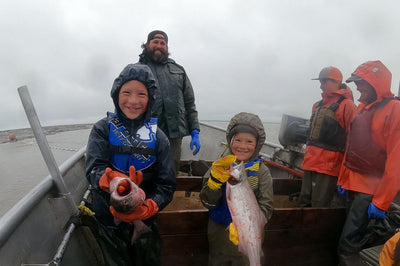
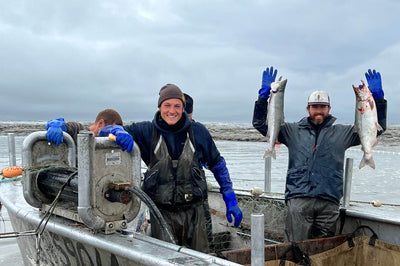
Kwee-Jack Commercial fishermen in Alaska setnet fishing for salmon and holding up fish

Wild Caught Halibut Common Questions:

(click the topic to see more info)

Can I buy wild Alaskan halibut online from Kwee-Jack?

Yes. You can buy wild Alaskan halibut online directly from Kwee-Jack Fish Co. Our boneless, skinless halibut portions are individually vacuum packaged, kept frozen, and available for home delivery throughout the contiguous United States.

Order directly from this product page and have wild Alaskan halibut delivered to your home.

Is your halibut wild caught?

Yes. Our halibut is 100% wild-caught Pacific halibut sourced from Alaska. It is harvested from Alaska’s cold waters and professionally processed, portioned, vacuum sealed, and frozen to preserve quality.

Kwee-Jack is a commercial fishing family. While we personally harvest the Bristol Bay salmon we sell, we source our wild Alaskan halibut through trusted fishermen and seafood partners.

Where does your wild Alaskan halibut come from?

Our Pacific halibut is wild caught in Kodiak, Alaska. Alaska’s cold waters support productive wild halibut fisheries that are carefully managed for long-term sustainability.

We source our halibut through fishermen and seafood partners rather than offering farm-raised halibut.

What does wild Alaskan halibut taste like?

Wild Alaskan halibut has a mild, clean flavor with firm, flaky white flesh. It does not have an especially strong or “fishy” taste, making it a popular choice even for people who prefer milder seafood.

Its firm texture makes halibut excellent for grilling, baking, pan-searing, air frying, fish tacos, soups, chowders, and many other dishes.

What size are your halibut portions?

Our wild Alaskan halibut is individually portioned, with each piece generally weighing approximately 5–9 ounces.

A 7.5-pound halibut share generally contains approximately 15–19 individually vacuum-sealed portions. Because halibut is a wild product and portions are cut from naturally varying fish, exact portion sizes and counts will vary.

Is your halibut boneless and skinless?

Yes. Our wild Alaskan halibut portions are professionally filleted, boneless, and skinless, making them convenient for everyday meals.

Although the fish is professionally processed, customers should always use normal care when eating fish because an occasional small bone can be missed during processing.

Is frozen halibut as good as fresh halibut?

High-quality frozen halibut can be an excellent choice, especially when buying wild Alaskan halibut online far from the fishery.

Our halibut is frozen and individually vacuum packaged to preserve its quality until you’re ready to use it. Frozen portions allow you to thaw only the fish you need when you’re ready to cook it, while keeping the remaining portions frozen.

Why is your halibut individually vacuum sealed?

Individual vacuum packaging helps protect the halibut during frozen storage and makes it easy to thaw only the number of portions you need.

You can remove one or two portions for dinner while leaving the remaining wild Alaskan halibut sealed and frozen for future meals.

How much halibut should I order per person?

A typical serving of halibut is approximately 5–8 ounces per adult, depending on appetite and what else is being served.

Because our portions generally weigh 5–9 ounces each, one portion is usually a convenient individual serving. A 7.5-pound share containing approximately 15–19 portions can provide several family meals while allowing the remaining portions to stay individually sealed in your freezer.

Why buy wild Alaskan halibut from Kwee-Jack?

Kwee-Jack Fish Co. is a family-owned commercial fishing business, not simply an online seafood retailer. We personally harvest our wild Bristol Bay salmon and work with trusted fishermen and seafood partners to source other seafood, including our wild Alaskan halibut.

As commercial fishermen ourselves, we care deeply about where our seafood comes from and the quality of what we sell.

What is the best way to cook wild Alaskan halibut?

Wild Alaskan halibut is extremely versatile and can be grilled, baked, pan-seared, broiled, or air-fried. Because halibut is naturally lean, it generally cooks best with some added fat such as olive oil, butter, or your preferred cooking oil.

The most important thing is not to overcook it. Properly cooked halibut should be moist and flaky while retaining its firm texture.

Do I need to thaw frozen halibut before cooking it?

For the best texture and most even cooking, we generally recommend thawing your frozen halibut before cooking.

Remove the halibut from its vacuum packaging and place it in a covered container or food-safe bag in the refrigerator to thaw. For faster thawing, the sealed fish can be thawed in cold water shortly before cooking.

Should I remove halibut from the vacuum package before thawing it?

Yes. If thawing overnight or for an extended period in the refrigerator, remove the halibut from the vacuum-sealed package before thawing. Place it in a covered container or food-safe bag in the refrigerator instead.

This is a good food-safety practice for vacuum-packaged fish and also gives you an opportunity to pat the fish dry before seasoning and cooking.

How do I keep halibut from drying out when I cook it?

Halibut is naturally lean, so overcooking is the most common reason it becomes dry. Cook it only until the flesh turns opaque and flakes easily, and consider using olive oil, butter, a marinade, sauce, or another source of moisture or fat.

Thicker portions can also benefit from gentler cooking methods such as baking or finishing in the oven after a quick pan sear.

What internal temperature should halibut be cooked to?

For food safety, cook fish to an internal temperature of 145°F (63°C) as measured in the thickest part of the portion.

Because halibut is lean, avoid continuing to cook it well beyond the recommended temperature, which can quickly dry out the fish.

How long does halibut take to cook?

Cooking time depends on the thickness of the portion and cooking method. Most individual halibut portions cook relatively quickly, so it is better to check the fish early rather than rely only on a set cooking time.

The fish is ready when it reaches a safe internal temperature and the flesh has become opaque and flakes easily with a fork.

Is wild Alaskan halibut good for grilling?

Yes. Halibut is one of the best fish for grilling because its firm, meaty texture holds together well.

Lightly oil the fish and grill grates to reduce sticking, season as desired, and avoid overcooking. Halibut pairs well with lemon, garlic, herbs, marinades, compound butter, and simple seafood seasonings.

Can I bake wild Alaskan halibut?

Yes. Baking is an easy and reliable way to prepare wild Alaskan halibut. Place the thawed portions in a lightly oiled baking dish or sheet pan, season them, and add a little oil, butter, sauce, or other moisture.

Bake until the halibut reaches a safe internal temperature and flakes easily. Because portion thickness varies, checking doneness is more reliable than relying solely on cooking time.

Is halibut good for fish tacos?

Yes. Wild Alaskan halibut’s mild flavor and firm texture make it excellent for fish tacos. It can be grilled, pan-seared, baked, or lightly breaded and then broken into pieces for serving.

Its mild flavor pairs especially well with cabbage, lime, cilantro, salsa, avocado, slaw, and creamy or spicy sauces.

What seasonings go well with halibut?

Halibut’s mild flavor works with everything from simple seasonings to stronger sauces. Lemon, garlic, black pepper, dill, parsley, paprika, Cajun seasoning, pesto, herbs, butter, and olive oil all pair well with wild Alaskan halibut.

Because the fish itself is mild, it is also a good choice for recipes where you want marinades, sauces, vegetables, or other ingredients to provide much of the flavor.

Can I cook halibut from frozen?

You can cook halibut from frozen with some methods, but we generally recommend thawing it first for more even cooking, better seasoning, and greater control over the final texture.

Since our halibut portions are individually vacuum packaged, you can simply remove the number of portions you need from the freezer and leave the rest frozen for another meal.

How should I store frozen wild Alaskan halibut?

Keep your halibut frozen until you’re ready to use it. The individual vacuum-sealed portions make it easy to remove only what you need while leaving the rest protected in the freezer.

For best quality, maintain a consistently frozen temperature and avoid repeated thawing and refreezing.

How long can I keep halibut in the freezer?

Properly packaged halibut can maintain excellent quality for an extended period when kept continuously frozen. Vacuum packaging helps protect the fish from air exposure and freezer burn.

For more information about storing, thawing, and preparing halibut, visit our ⁠Ultimate Guide to Wild Pacific Halibut.

What is the best way to thaw frozen halibut?

For the best texture, thaw frozen halibut slowly in the refrigerator. Remove the portion from its vacuum packaging, place it in a covered container or food-safe bag, and allow it to thaw under refrigeration.

Most individual portions can be moved from the freezer to the refrigerator the day before you plan to cook them.

Should I remove halibut from the vacuum package before thawing?

Yes. Remove the halibut from its vacuum-sealed packaging before thawing it in the refrigerator. Place the fish in a covered container or food-safe bag while it thaws.

This is an important food-safety practice for vacuum-packaged fish.

How can I thaw halibut quickly?

For a faster thaw, place the vacuum-sealed halibut portion in cold water until thawed, then remove it from the package and cook it immediately. Do not use warm or hot water, and do not leave thawed fish sitting in the vacuum-sealed package.

Can I thaw halibut on the kitchen counter?

No. We don’t recommend thawing halibut at room temperature. The outside of the fish can warm into an unsafe temperature range while the center is still frozen.

Use the refrigerator for normal thawing or a cold-water method when you need to thaw it more quickly.

How long can thawed halibut stay in the refrigerator?

For best quality and food safety, we recommend cooking thawed raw halibut within 1–2 days when it has been properly thawed and kept refrigerated at 40°F or below.

If you aren’t going to use the fish soon, it’s better to leave the individually packaged portions frozen until closer to the day you plan to cook them.

Can I refreeze halibut after it has thawed?

Halibut that has been safely thawed in the refrigerator and kept properly refrigerated can generally be refrozen, although you may notice some loss of moisture or texture.

If the fish was thawed using a faster method such as cold water, we recommend cooking it before freezing it again. Our ⁠Wild Pacific Halibut Guide has additional information about handling and preparing wild halibut.

What should I do after opening the vacuum package?

Once removed from the vacuum package, keep raw halibut refrigerated at 40°F or below and cook it promptly.

If the surface is wet after thawing, gently pat the halibut dry with a clean paper towel before seasoning or cooking. This is especially helpful when pan-searing or grilling because a drier surface browns more effectively.

Do you ship wild Alaskan halibut directly to homes?

Yes. You can order wild Alaskan halibut online from Kwee-Jack Fish Co. for frozen home delivery throughout the contiguous United States.

Our halibut portions are individually vacuum sealed, packed frozen in an insulated shipping box with dry ice, and shipped via UPS directly to your door.

How is your wild Alaskan halibut shipped?

Our wild Alaskan halibut is carefully packed in an insulated shipping box with dry ice to help maintain frozen temperatures during transit.

Every order is professionally packed and shipped directly to your door so your seafood arrives ready for your freezer. We do not use Styrofoam. Our shipping insulation is recyclable and/or biodegradable.

Will my halibut stay frozen during shipping?

Yes, that is our goal. Our insulated packaging and dry ice are designed to keep your halibut frozen throughout transit. We adjust the amount of dry ice based on expected transit time and seasonal conditions. Occasionally, seafood may partially thaw due to unusually warm conditions, longer transit times, or unexpected carrier delays. If this occurs, see our guidance below for evaluating a partially thawed shipment.

Why has most of the dry ice disappeared when my order arrives?

This is completely normal. Dry ice changes directly from a solid into carbon dioxide gas as it keeps your seafood cold, so little or no dry ice may remain when your package arrives.

The amount remaining depends on transit time and weather conditions. The condition and temperature of the seafood—not the amount of dry ice remaining—is what matters when your order arrives.

When do you ship frozen seafood orders?

We ship frozen seafood orders every Monday to help minimize transit time and reduce the chance of packages sitting in carrier facilities over the weekend.

Orders placed by 7:00 AM Mountain Time on Monday ship that day. Orders placed after the cutoff generally ship the following Monday.

Holiday schedules and planned warehouse closures may occasionally affect our regular schedule. View our ⁠Annual Shipping Schedule & Planned Closures for current dates and upcoming shipping interruptions.

Do I need to be home when my halibut is delivered?

You do not normally need to be home to receive your order, but we recommend bringing the package inside as soon as reasonably possible after delivery.

Monitor your UPS tracking information so you know when your frozen seafood has arrived and can move it to the freezer promptly.

Can you ship wild Alaskan halibut anywhere in the United States?

We ship frozen wild Alaskan halibut throughout the contiguous United States using insulated packaging and dry ice.

Interested in shipping to Alaska or Hawaii? Please contact us directly to discuss current shipping options and availability.

You can also browse all of our ⁠wild-caught seafood available for home delivery.

How can I track my halibut order?

Once your order ships, you’ll receive an email with UPS tracking information so you can follow your package’s progress and know when to expect delivery.

We recommend monitoring your tracking information and bringing your seafood inside shortly after it arrives.

What if my halibut arrives partially thawed?

We pack and ship our seafood with the goal of having it arrive frozen. Occasionally, however, a shipment may partially thaw because of unusually warm conditions, longer transit times, or unexpected carrier delays. If your halibut still contains ice crystals or is 40°F or below, it can generally be safely refrigerated or returned to the freezer. If you have any concerns about your shipment, take photos and contact Kwee-Jack promptly so we can help.

Why do you ship halibut frozen instead of fresh?

Freezing allows wild Alaskan halibut to be preserved close to the source and maintained at frozen temperatures until you’re ready to prepare it.

Seafood marketed as “fresh” may have already spent several days in transit or may previously have been frozen and thawed for display. With our individually vacuum-sealed frozen halibut portions, you control when the fish is thawed, allowing you to keep the remaining portions frozen until you need them.

Can I order halibut with other seafood in the same shipment?

Yes. You can combine wild Alaskan halibut with other eligible shipped seafood from Kwee-Jack, including wild salmon, cod, black cod, tuna, shrimp, and other seafood.

Browse our complete ⁠wild-caught seafood home delivery selection to build an order with multiple species.

Where is your wild halibut caught?

Our Pacific halibut is wild caught in Alaska’s cold North Pacific waters primarily around Kodiak. Pacific halibut are native to the North Pacific and are an important commercial fishery in Alaska.

We work with trusted fishermen and seafood partners to source high-quality wild Alaskan halibut for our customers.

Is your wild Alaskan halibut sustainably harvested?

Alaska’s Pacific halibut fishery is carefully managed to support healthy fish populations and a sustainable long-term harvest.

Pacific halibut management uses scientific stock assessments, catch limits, fishery monitoring, and other management measures to regulate harvest. This allows customers to enjoy wild-caught Alaskan halibut while supporting a fishery managed with the future of the resource in mind.

Who catches your wild Alaskan halibut?

Unlike our Bristol Bay sockeye salmon, we do not personally harvest the halibut we sell. We work with fishermen and seafood partners to source wild Pacific halibut harvested in Alaska.

We’re commercial fishermen ourselves, and that background shapes how we select seafood for Kwee-Jack. We care about where it comes from, how it is handled, and the quality of the seafood we ultimately offer our customers.

How is the Alaska halibut fishery managed?

Pacific halibut are managed differently from Alaska salmon. The fishery is regulated using scientific stock assessments, harvest limits, fishing regulations, and monitoring designed to maintain the resource over the long term.

The Pacific halibut fishery is managed cooperatively by U.S. and Canadian authorities across the North Pacific, with Alaska representing an important part of the commercial fishery.

For a deeper look at the fish, fishery, cooking, storage, and more, visit our ⁠Ultimate Guide to Wild Pacific Halibut.

Is Pacific halibut farm raised?

The Alaskan Pacific halibut we sell is wild caught, not farm raised. These fish live naturally in the cold waters of the North Pacific before being harvested through the commercial fishery.

For customers looking to buy wild rather than farm-raised seafood, our halibut provides another wild-caught option alongside our ⁠wild Alaskan salmon.

Why does knowing where your halibut comes from matter?

Seafood can pass through long and complicated supply chains before reaching a customer. We believe knowing the species, harvest region, processing, and handling of seafood matters.

Kwee-Jack began as a commercial fishing business, and we bring that perspective to the seafood we source as well as the salmon we catch ourselves. Our goal is to offer seafood that we feel confident serving to our own families and customers.

What makes Kwee-Jack different from other online seafood companies?

We’re fishermen first. Our family personally harvests wild sockeye salmon in Bristol Bay, Alaska, and we use our experience in the commercial fishing industry when sourcing seafood that we don’t harvest ourselves, including wild Alaskan halibut.

That means we’re careful not to pretend that every fish we sell came off our own boats. Instead, we tell you what we catch ourselves, what we source from other fishermen and seafood partners, and where your seafood comes from.

You can explore our complete selection of ⁠wild-caught seafood available for home delivery.