Skip to content




How to Buy Wild-Caught Seafood Directly From Fishermen

There is something reassuring about knowing where your food comes from. Whether it's purchasing beef from a local rancher, vegetables from a nearby farmer, or seafood directly from fishermen, more people are looking for a meaningful connection to the people who produce their food.
Seafood should be no different.
Yet for many consumers, buying fish means standing in front of a grocery store seafood counter with surprisingly little information about where the fish was harvested, who caught it, how it was handled, or how long it has been traveling.
Fortunately, there are alternatives.
Today, consumers can purchase wild-caught seafood directly from fishermen and fisherman-operated seafood companies, often without living anywhere near the ocean.
From community-supported fisheries and local seafood markets to online seafood delivery, there are more ways than ever to connect with the people responsible for harvesting your seafood.
In this guide, we'll explain how buying seafood directly from fishermen works, what questions you should ask before purchasing, and how to find quality wild-caught seafood that you can feel confident serving your family.
We'll also share a perspective shaped by our own experience commercial fishing in Bristol Bay, Alaska, where our family harvests wild sockeye salmon each summer.
Looking for wild-caught seafood delivered to your home?
Explore wild Alaskan sockeye salmon, halibut, cod, shrimp, and other seafood from Kwee-Jack Fish Co., a family-operated business with firsthand commercial fishing experience in Alaska.
What Does Buying Seafood Directly From Fishermen Mean?
Buying seafood directly from fishermen generally means purchasing fish through the people who harvest it, their families, or businesses that maintain direct relationships with commercial fishing operations.
However, the phrase fisherman-direct can describe several different arrangements.
In some cases, fishermen sell their catch directly from the dock. In others, fishing families operate businesses that handle processing, distribution, and sales to customers throughout the country.
Some seafood companies harvest a portion of what they sell while sourcing additional species from other independent fishermen.
These distinctions matter because not every company advertising direct-from-fishermen seafood operates the same way.
Buying Fish Directly From the Boat
In coastal communities, fishermen may sell seafood directly to consumers at docks, harbors, or local markets.
This can provide an opportunity to ask questions about the harvest and purchase seafood close to its source.
However, dockside sales aren't available everywhere. They also depend on local regulations, fishing seasons, species availability, and whether fishermen are equipped and authorized to sell directly to consumers.
Buying From a Fisherman-Owned Seafood Company
Some commercial fishermen establish their own seafood businesses to connect their harvest with customers beyond their local communities.
These businesses may arrange professional processing, freezing, packaging, cold storage, and shipping so that customers can purchase seafood without traveling to a fishing port.
This is the model we know firsthand at Kwee-Jack Fish Co.
Our family harvests wild sockeye salmon in Bristol Bay, Alaska, and makes that salmon available to customers through our seafood business. We also offer additional wild-caught species sourced through trusted fishermen, processors, and responsibly managed fisheries.
Our goal is to make exceptional seafood accessible while maintaining a meaningful connection between the people harvesting it and the families enjoying it.
You can learn more about our fishing operation and the people involved by visiting the history of Kwee-Jack Fish Co.
Community-Supported Fisheries (CSFs)
A community-supported fishery, commonly called a CSF, connects seafood customers with fishermen through a purchasing model similar in concept to community-supported agriculture.
Customers may purchase a share of seafood in advance, helping provide financial support for harvesting, processing, and distribution.
In return, customers receive seafood from participating fishing operations.
CSFs vary in how they operate. Some distribute seafood through local pickup locations, while others offer home delivery or seasonal shipments.
At Kwee-Jack, our community-supported fishery model has helped connect customers with wild Alaskan seafood through seasonal preorders and pickup opportunities.
We also offer direct shipping for customers who prefer to order seafood delivered to their homes.
To understand the ordering process, read our guide to buying wild-caught seafood online or locally.
For another way to discover seafood businesses connected to fishing communities, visit the Local Catch Network Seafood Finder. This resource helps consumers explore community-supported fisheries and seafood businesses in different regions.
Why Buy Seafood Directly From Fishermen?
There are several reasons customers seek out fisherman-operated seafood businesses. Some want better information about their food. Others appreciate supporting independent fishing families or having access to seafood that isn't always available at local grocery stores.
Here are some of the most meaningful potential benefits.
1. Greater Transparency About Where Your Seafood Comes From
One of the most important questions you can ask when purchasing seafood is simple:
Where was this fish caught?
A knowledgeable seafood seller should be able to explain the species being sold, its general harvest location, and whether it was wild-caught or farm-raised.
Depending on the product, they may also be able to provide information about the fishery, harvesting method, processing location, and season.
At Kwee-Jack, our wild sockeye salmon comes from Bristol Bay, Alaska, where our family participates in the commercial salmon fishery.
Our wild Pacific halibut and cod are sourced through fishing and processing operations in Alaska, while other products come from carefully selected fisheries and suppliers.
We believe customers deserve accurate information about their seafood, including the distinction between fish we personally harvest and seafood we source from others.
2. A Better Understanding of Seafood Quality
Commercial fishermen understand something that isn't always obvious when shopping at a grocery store:
The quality of seafood depends heavily on what happens after the fish is caught.
Careful handling, prompt chilling, appropriate processing, temperature control, and proper storage all influence the final product.
Two fish of the same species harvested from the same general area can provide different eating experiences depending on how they were handled.
That's one reason we encourage customers to look beyond labels such as "premium" or "fresh" and ask specific questions about processing and storage.
For customers interested in the details of seafood handling, our guide to low-histamine seafood and proper fish handling explores why temperature control matters.
3. Supporting Independent Fishing Families
Commercial fishing is more than a job for many families. It is a livelihood shaped by seasons, weather, resource management, long working days, and years of experience.
Operating a fishing boat requires substantial investment in equipment, maintenance, permits, fuel, and crew.
When customers purchase through fisherman-operated businesses, they have an opportunity to support fishing families and the businesses they've built around their harvest.
Of course, buying directly doesn't automatically mean every dollar goes to the fishermen. Processing, transportation, storage, packaging, and other services remain necessary.
But a fisherman-operated business can provide a more personal connection to the people involved in bringing seafood to market.
4. Access to Seafood Beyond the Grocery Store
Depending on where you live, your local grocery store may carry only a limited selection of wild-caught seafood.
Buying online can provide access to species such as:
- Wild Alaskan sockeye salmon
- Wild Pacific halibut
- Wild Pacific cod
- Black cod, also known as sablefish
- Wild-caught shrimp
- Other seasonal and specialty seafood products
Availability varies by fishing season, supplier, and retailer.
For customers unfamiliar with the differences between salmon species, our Ultimate Wild Salmon Guide is a helpful place to start.
If you're interested in premium white fish, explore our Wild Pacific Halibut Guide or our Black Cod and Sablefish Guide.
How to Find Fishermen Who Sell Seafood Directly to Consumers
If you're looking for seafood directly from fishermen, there are several places to begin.
Local Fishing Harbors and Seafood Markets
If you live near the coast, local fishing ports can be an excellent starting point.
Look for fishermen's markets, authorized dockside seafood sales, and locally operated seafood businesses.
Ask where the seafood was harvested and whether the seller caught it personally or purchased it from another fishing operation.
Both arrangements can provide excellent seafood. The important thing is understanding what you're buying.
Community-Supported Fisheries
CSFs can be especially appealing to customers who want an ongoing relationship with a fishing operation.
Some offer seasonal seafood shares, while others provide more flexible purchasing arrangements.
Before joining, ask about the species included, pickup or delivery schedules, payment terms, and how seafood availability may change throughout the season.
The Local Catch Network is another resource for learning about community-supported fisheries and direct seafood purchasing.
Online Fisherman-Operated Seafood Companies
For people living inland, purchasing seafood online is often the most practical way to connect with commercial fishermen.
Look for businesses that clearly explain:
- Who owns or operates the company.
- Which seafood they personally harvest.
- Where other seafood products are sourced.
- How the seafood is processed and frozen.
- How orders are packaged and delivered.
- What customers should expect if they have questions or concerns.
A company doesn't need to personally catch every species it sells to be a trustworthy seafood source. But it should be transparent about the relationship between the business, the fishermen, and the seafood.
At Kwee-Jack, you can browse our complete selection of wild-caught seafood available for home delivery.
Seven Questions to Ask Before Buying Seafood Directly From Fishermen
Whether you're purchasing fish at a dock, joining a CSF, or ordering from an online seafood company, asking a few questions can help you make a more informed decision.
1. Is the Seafood Wild-Caught or Farm-Raised?
Wild-caught seafood comes from fish and shellfish harvested from natural waters. Farm-raised seafood is produced through aquaculture.
Neither label alone tells you everything about quality or sustainability, so it's worth learning about the particular species and production method.
At Kwee-Jack, our seafood selection focuses on wild-caught fish and shellfish.
2. Where Was the Seafood Harvested?
Ask about the harvest region or fishery rather than relying only on a broad marketing description.
For example, Alaska includes numerous fisheries, species, and harvesting methods.
Knowing that salmon came from Bristol Bay provides more meaningful information than simply knowing it came from the North Pacific.
3. Who Actually Caught the Fish?
Some companies are owned by working fishermen. Others purchase from independent fishermen, fishing cooperatives, processors, or distributors.
There are legitimate reasons for each arrangement.
What matters is whether the company represents its sourcing accurately.
If a company advertises seafood as fisherman-direct, it should be able to explain what that means within its particular business.
4. How Was the Seafood Handled and Processed?
Proper handling is one of the most important factors affecting seafood quality.
Ask whether the seafood was promptly chilled, professionally processed, and maintained at appropriate temperatures.
For frozen products, ask how the fish was frozen and packaged.
Well-managed freezing and storage can help preserve seafood quality for customers who live far from the coast.
5. Is the Seafood Fresh or Frozen?
Many consumers assume fresh seafood must be better than frozen seafood.
But the answer depends on how each product has been handled.
Seafood marketed as fresh may have spent several days in refrigerated distribution, while seafood frozen promptly after processing may retain excellent quality until it is ready to be prepared.
Freezing doesn't improve fish that was poorly handled before freezing, but it can help preserve the quality of properly handled seafood.
For customers purchasing seafood online, professionally frozen fish can be an especially practical choice.
6. How Will My Seafood Be Delivered?
If you're ordering frozen seafood, shipping practices are extremely important.
Ask whether the seller uses insulated packaging, appropriate refrigerants, reliable carriers, and shipping schedules designed to reduce transit delays.
Also find out what to do if a shipment arrives late or shows signs of temperature problems.
At Kwee-Jack, we ship frozen seafood in insulated containers packed with dry ice, with the goal of keeping it frozen throughout transit and having it arrive frozen at your door.
We generally ship seafood on Mondays to reduce the risk of packages being delayed over a weekend.
For details about upcoming shipments and planned closures, visit our Annual Seafood Shipping Schedule.
7. What Happens if I Have Questions After Ordering?
Good customer service matters, especially when purchasing perishable food online.
Before placing an order, look for clear contact information, shipping instructions, and answers to common customer questions.
Our Frequently Asked Questions page covers many topics related to seafood quality, handling, storage, and ordering.
What We've Learned From Commercial Fishing in Bristol Bay, Alaska
At Kwee-Jack Fish Co., buying seafood directly from fishermen isn't simply a marketing concept.
It's how our business began.
Our family's connection to commercial fishing in Bristol Bay, Alaska, has shaped the way we think about seafood, from harvesting and processing to the experience customers have when they prepare it at home.
Bristol Bay is home to one of the world's great wild sockeye salmon fisheries.
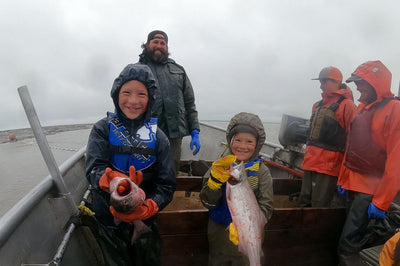
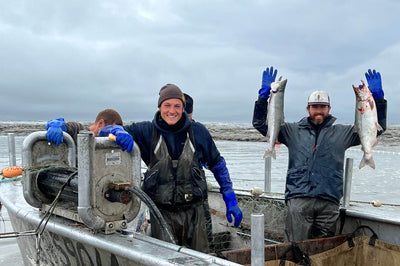
Each summer, commercial fishing families travel to Alaska to participate in a short, intense fishing season shaped by salmon runs, changing weather, and carefully managed fishing opportunities.
Fishing requires preparation, teamwork, and a willingness to work long hours when the fish are running.
It's demanding work, but it's also deeply rewarding.
Seafood Quality Begins Long Before It Reaches the Customer
One of the lessons commercial fishing teaches is that quality cannot simply be added at the end of the supply chain.
It begins with harvesting and continues through every stage of handling, processing, freezing, storage, and transportation.
Careful handling matters because seafood is a highly perishable food.
Once a fish is harvested, maintaining proper temperatures and moving it efficiently through the processing system become essential parts of protecting its quality.
That's why we place so much emphasis on professionally processed, flash-frozen seafood.
Our wild Alaskan sockeye salmon is processed, frozen, and packaged to help preserve the qualities that make it such an exceptional fish.
Customers can choose between whole sockeye salmon fillets and individually portioned sockeye salmon, depending on how they prefer to prepare and serve their seafood.
Why We Also Source Seafood From Other Fishermen
Our family harvests wild sockeye salmon, but customers often want more variety than a single fishing operation can provide.
Different seafood species are harvested in different locations, seasons, and fisheries.
Rather than claiming to catch everything ourselves, we work with other fishermen, processors, and suppliers to offer a carefully selected variety of wild-caught seafood.
Our selection includes wild Pacific halibut, cod, black cod, shrimp, and additional seafood options.
This approach allows us to share seafood from fisheries beyond the one in which our family personally participates.
It also gives customers the convenience of ordering several types of seafood from one business.
We believe the important distinction is transparency: customers should know what we harvest ourselves and what we source from other fishing operations.
To learn more about our family and the people who have helped build Kwee-Jack, visit our company history and fishing crew.
Can You Buy Seafood Directly From Fishermen Online?
Yes. You don't need to live in Alaska or along the coast to purchase seafood through a fisherman-operated business.
Modern frozen shipping makes it possible for customers throughout much of the United States to receive professionally processed seafood at home.
However, buying seafood online requires some planning.
Because frozen seafood is perishable, reputable sellers need to consider packaging, shipping schedules, transit times, and temperature control.
At Kwee-Jack, our frozen seafood is shipped through UPS to customers in all 48 contiguous states.
Orders are packed in insulated containers with dry ice, and our normal shipping schedule is designed to avoid unnecessary weekend delays.
Customers can shop for individual seafood varieties or combine several products into one shipment.
For example, you might build a seafood box with wild Alaskan sockeye salmon, Pacific halibut, cod, and shrimp.
This provides variety while allowing you to stock your freezer with seafood for future meals.
Build Your Own Wild-Caught Seafood Box
Choose from wild Alaskan salmon, halibut, cod, shrimp, and other available seafood. Mix and match products for convenient frozen seafood delivery to your home.
What About Local Seafood Pickup?
Some fisherman-operated seafood companies also offer local pickup opportunities.
These may include seasonal distribution events, community-supported fishery pickup locations, or local delivery programs.
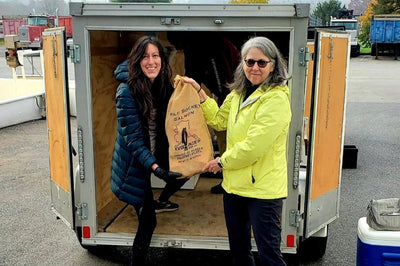
Kwee-Jack offers seasonal seafood pickup opportunities in selected communities, in addition to our nationwide frozen seafood shipping program.
Because pickup availability and ordering arrangements vary by location, customers should select the option appropriate for where they live.
To explore our pickup communities, visit Kwee-Jack's seafood pickup locations.
Important: Local pickup products are intended for their designated pickup locations. If you want seafood shipped directly to your home, order from our home delivery seafood collection.
Is Buying Seafood Directly From Fishermen Cheaper?
Not necessarily.
It's reasonable to wonder whether buying directly from fishermen eliminates enough intermediaries to make seafood less expensive.
Sometimes direct purchasing can offer competitive pricing, especially when customers buy larger quantities or participate in seasonal preorder programs.
But high-quality seafood still requires substantial work and expense after it leaves the water.
Professional processing, trimming, freezing, packaging, cold storage, transportation, and delivery all contribute to the final cost.
Shipping frozen seafood can be particularly expensive because it requires insulated containers, refrigerants, and careful coordination.
When comparing prices, consider more than the advertised cost per pound.
Ask whether the product is boneless, how it is portioned, whether shipping is included, and what condition it should arrive in.
A lower-priced product isn't necessarily a better value if it requires extensive trimming, has inconsistent quality, or comes with substantial additional shipping charges.
For many customers, the value of purchasing through fishermen is the combination of quality, traceability, convenience, and a relationship with the people behind the seafood.
Frequently Asked Questions About Buying Seafood Directly From Fishermen
Where can I buy wild-caught fish directly from fishermen?
You can purchase seafood through authorized dockside sales, fishermen's markets, community-supported fisheries, and fisherman-operated online seafood companies. If you live inland, online frozen seafood delivery is often the most practical option. Kwee-Jack Fish Co. offers wild-caught seafood available for home delivery throughout the contiguous United States.
Can I buy wild Alaskan salmon directly from fishermen?
Yes. Some Alaskan fishing families operate businesses that sell their harvest directly to consumers. At Kwee-Jack Fish Co., our family harvests wild sockeye salmon in Bristol Bay, Alaska, and offers it through our online seafood business. Customers can purchase whole fillets or individually portioned fillets.
Is fisherman-direct seafood always fresher than grocery store seafood?
No. Seafood quality depends on handling, processing, storage, and transportation. Buying through fishermen can provide greater transparency, but it doesn't automatically guarantee superior quality. Properly handled seafood that is promptly frozen can maintain excellent quality, while poorly handled seafood may deteriorate regardless of where it is sold.
Is buying seafood directly from fishermen more sustainable?
Buying directly doesn't automatically make seafood sustainable. Sustainability depends on factors such as the species, fishery management, harvest methods, and the condition of fish populations. Purchasing from knowledgeable fishermen can make it easier to ask specific questions about where and how seafood was harvested.
For information about U.S. fisheries management and sustainable seafood, visit NOAA Fisheries. For Alaska-specific seafood information, the Alaska Seafood Marketing Institute is another helpful resource.
Can fishermen ship frozen seafood across the United States?
Yes. Fisherman-operated seafood businesses can ship frozen seafood using insulated packaging, appropriate refrigerants, and reliable transportation services. Kwee-Jack ships frozen seafood through UPS to all 48 contiguous states. Orders are packed with dry ice to help keep seafood frozen throughout transit.
Do I have to purchase a large quantity of seafood?
That depends on the seller. Some community-supported fisheries specialize in bulk seasonal shares, while others offer smaller packages or flexible ordering. At Kwee-Jack, customers can choose from available seafood box sizes and combine different species. Our frozen seafood shipping program has a minimum seafood order of $199, with free shipping on qualifying orders of $299 or more. Visit our home delivery collection for current details.
How do I know whether a seafood company is actually operated by fishermen?
Look for clear information about the company's ownership, fishing experience, harvest locations, and sourcing relationships. Businesses operated by fishermen should be able to explain their involvement in commercial fishing and distinguish seafood they personally harvest from seafood sourced through other fisheries. Original photographs, fishing histories, and detailed sourcing information can help customers understand the people behind a seafood business.
What is the difference between a community-supported fishery and an online seafood store?
A community-supported fishery typically connects customers with fishermen through a share-based or seasonal purchasing arrangement. An online seafood store may offer individual products and year-round ordering when inventory is available. Some businesses, including Kwee-Jack Fish Co., use elements of both models, offering seasonal preorder opportunities as well as direct shipping.
From Our Fishing Family to Your Dinner Table
Buying seafood directly from fishermen is about more than purchasing fish.
It's an opportunity to better understand where your food comes from, how it was harvested, and the people whose work makes it available.
For our family, commercial fishing has shaped the way we think about food, quality, stewardship, and the responsibility that comes with providing seafood to others.
We know the work involved in bringing wild salmon out of Alaska's waters. We also understand the importance of professional processing, careful freezing, and reliable delivery after the fishing season ends.
That's the perspective we bring to Kwee-Jack Fish Co.
Whether you're purchasing wild Alaskan sockeye salmon harvested by our family or exploring seafood we've carefully sourced from other fisheries, our goal is to provide seafood you can feel confident preparing and serving.
And if you're new to buying seafood online, we're always happy to help you find the right products for your family.
Explore our seafood: Shop Wild-Caught Seafood Home Delivery.
Meet our fishing family: Read the Kwee-Jack Fish Co. Story.
Questions before ordering? Visit our Seafood Frequently Asked Questions.